From Aesop's fables to contemporary picture book masterworks, anthropomorphic animal characters have long been children's truest literary companions. A thoughtful squirrel, a gentle giraffe, a curious hedgehog... Why do animal metaphors resonate so profoundly compared to human protagonists?
1. Dismantling Judgment and Defensiveness
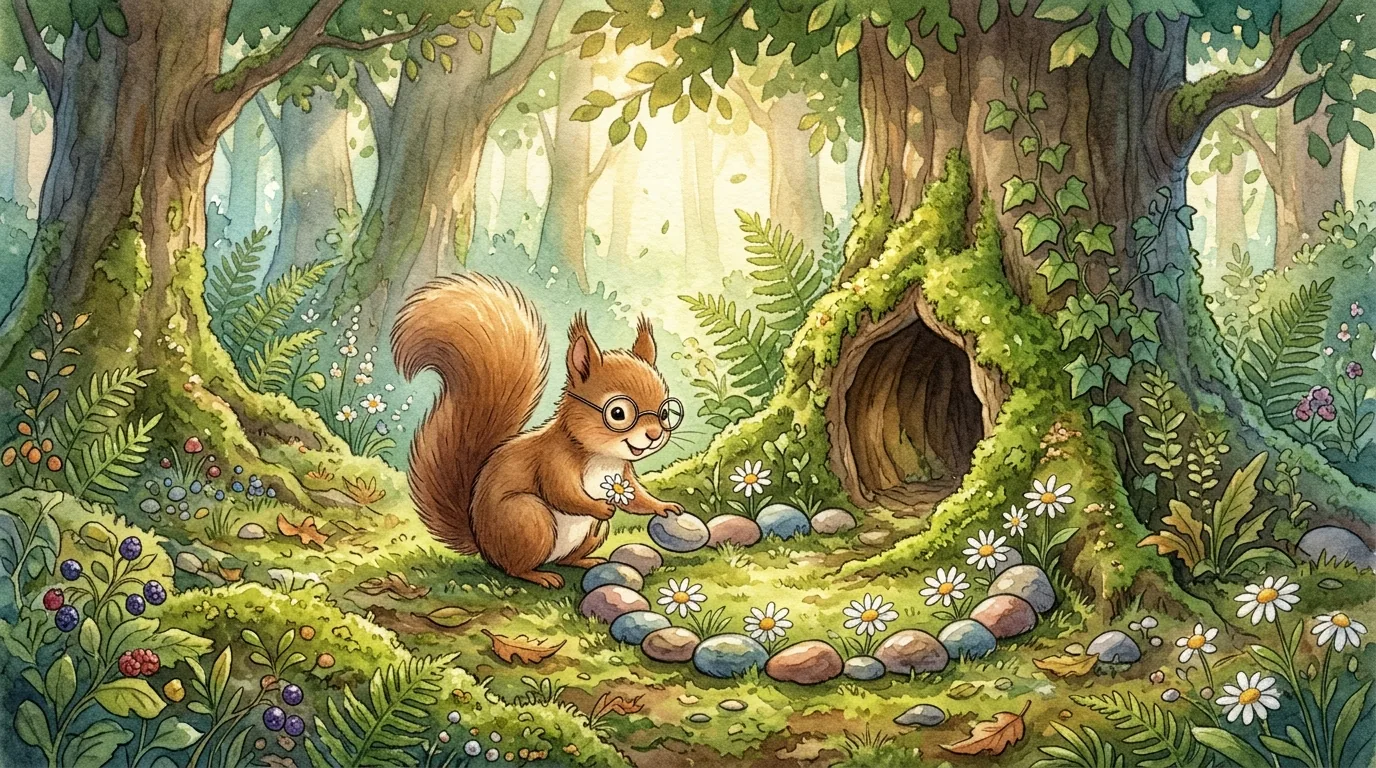
Telling a child, 'Look, Tommy also forgets to clean his room' instantly triggers guilt and defensiveness. But asking, 'How did Zeki feel when his acorns rolled into the stream?' creates a safe psychological buffer. The child analyzes the emotional landscape objectively, free from personal shame.
2. Translating Abstractions into Vivid Realities
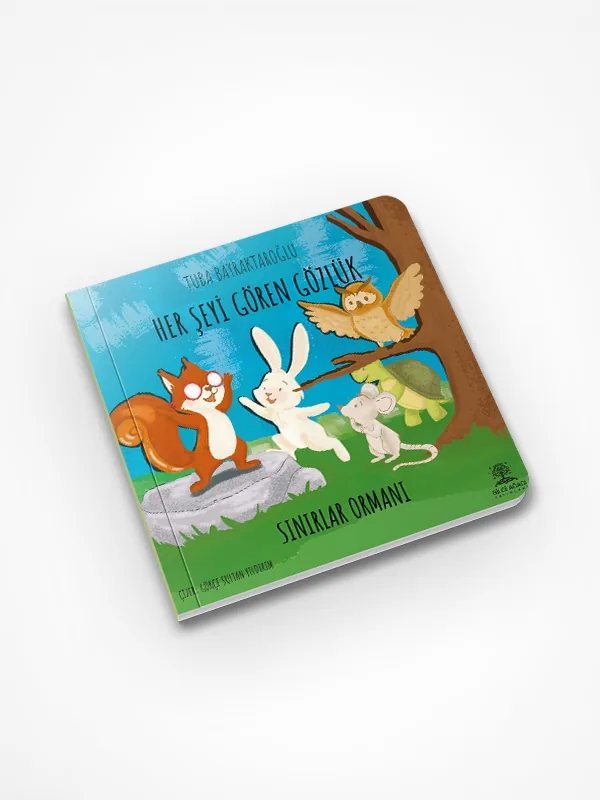
Developing minds cannot readily grasp abstract notions like empathy, justice, or autonomy in textbook terms. Equipping a character with special 'glasses' that reveal feelings or illustrating height as a lens for foresight turns complex concepts into tangible companions.
3. Transcending Cultural and Geographical Boundaries
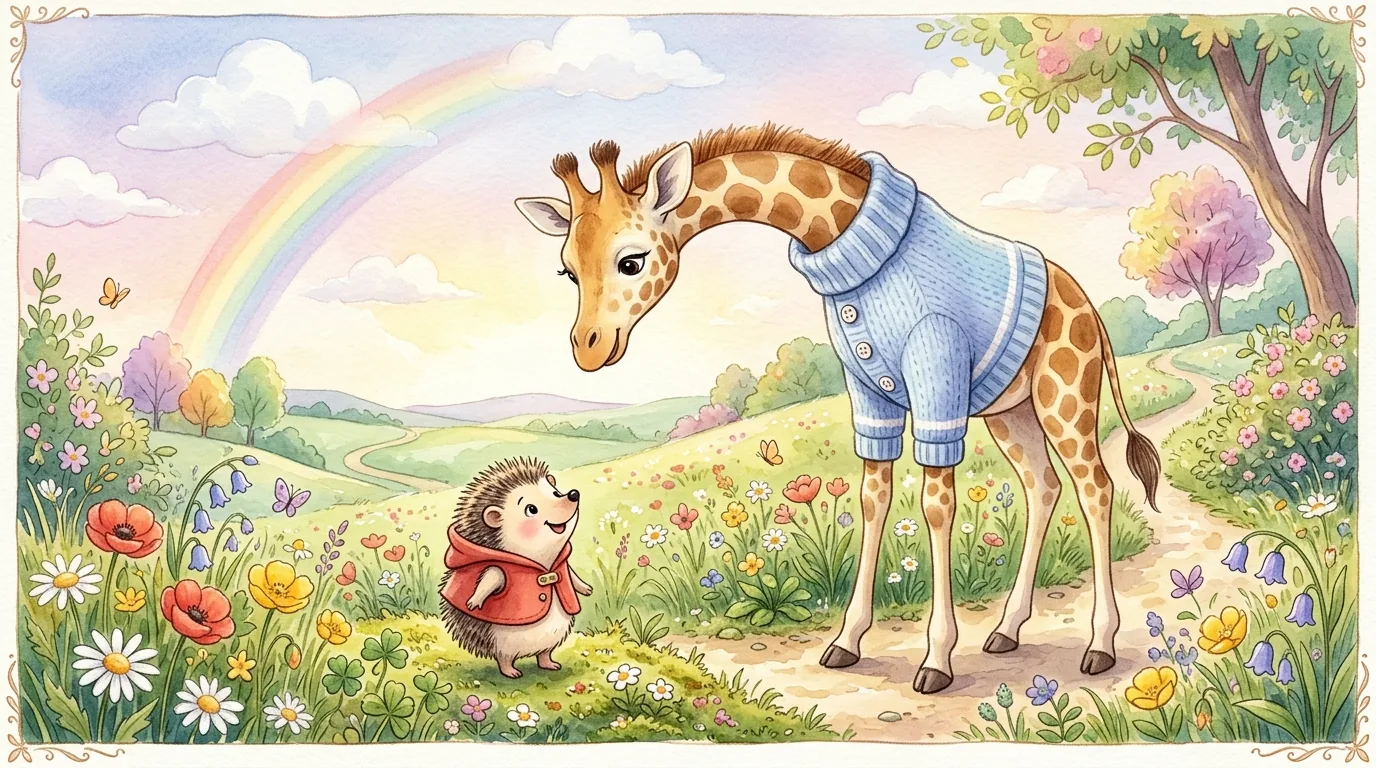
An animal protagonist carries no specific ethnicity, nationality, or socio-economic barrier. A child in Tokyo, London, or Istanbul connects with Giraffe Zü's yearning for belonging with equal tenderness and immediacy.