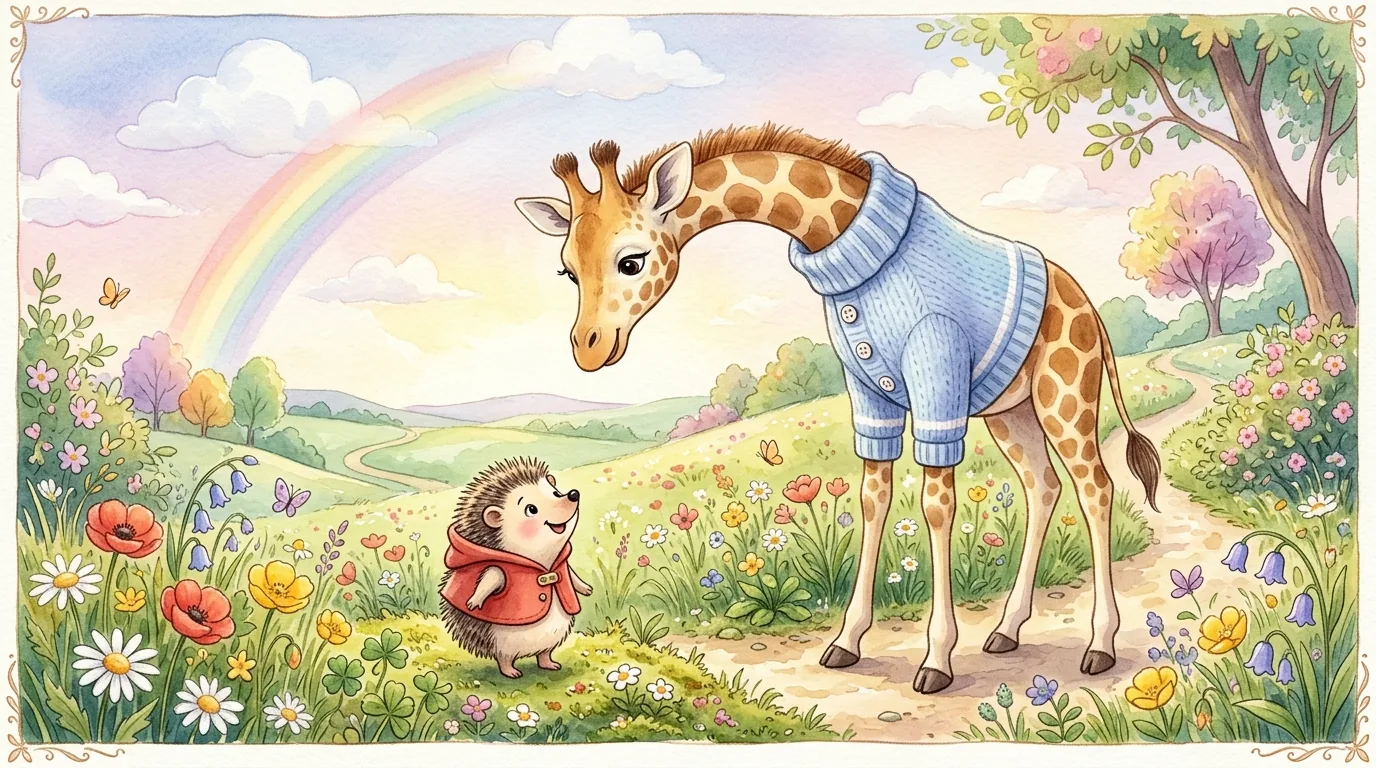
Every child arrives with their own unique hue and temperament. Yet as they step into school environments, peer comparisons, teasing over physical traits, and the pressure to fit a uniform mold intensify. A child who is exceptionally tall, wears thick spectacles, stutters, or prefers quiet contemplation can easily begin to feel flawed.
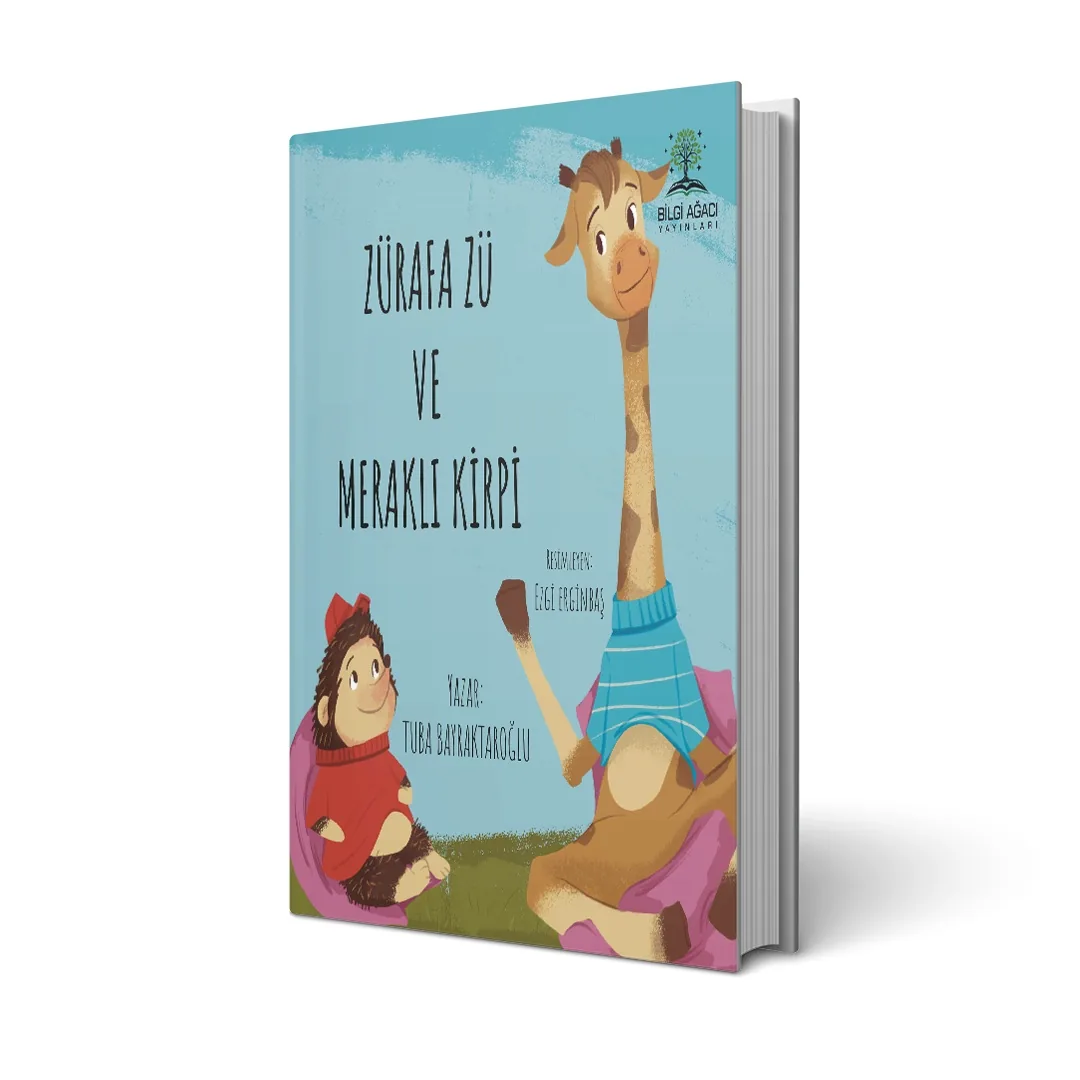
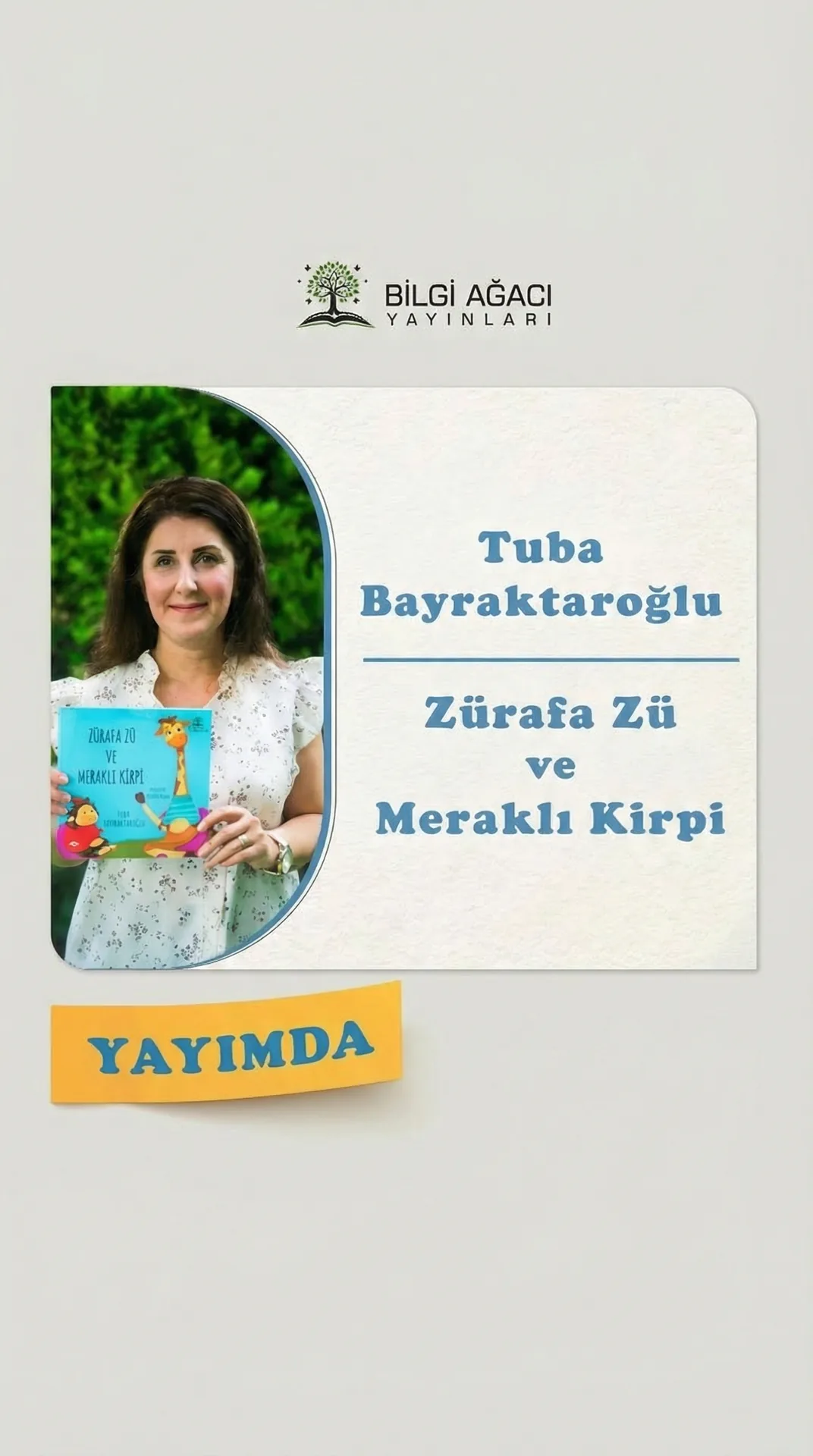
In Giraffe Zü and the Curious Hedgehog, the meeting between Zü—who sometimes wishes to hide her long neck—and Hedgehog—who notices the tiniest treasures on the ground—addresses this profound emotional vulnerability.
1. Cultivating Genuine Self-Acceptance
Self-esteem is not built upon superficial praise; it flourishes when a child feels accepted in their entirety. When a child laments: 'I am too tall, I look awkward,' dismissing their fear with 'No, you don't' silences them. Instead, inviting inquiry—'It sounds like you felt self-conscious today; what are some wondrous things your tall perspective allows you to see?'—reframes their narrative.
2. Deconstructing Peer Teasing Through Narrative
Bullying frequently stems from the fear of the unfamiliar. Literature allows children to recognize differences as gifts rather than liabilities. In our tale, Zü's height enables her to spot approaching forest weather early, while Hedgehog's compact size unlocks narrow subterranean paths, proving that every characteristic holds distinct value.
3. Nurturing a Culture of Belonging
The daily language used by parents and educators imprints deeply onto a child's worldview. Celebrating varied intelligences and fostering collaboration over harsh competition liberates children to thrive as their authentic selves.