One of the most frequent dilemmas modern parents encounter is balancing boundless freedom with the secure framework of rules. Many mothers and fathers perceive setting boundaries as punitive or overly restrictive. In child psychology, however, boundaries are like fences around a green garden: they do not exist to restrict the child, but to protect them from falling off the cliff, allowing them to run freely and joyfully within.
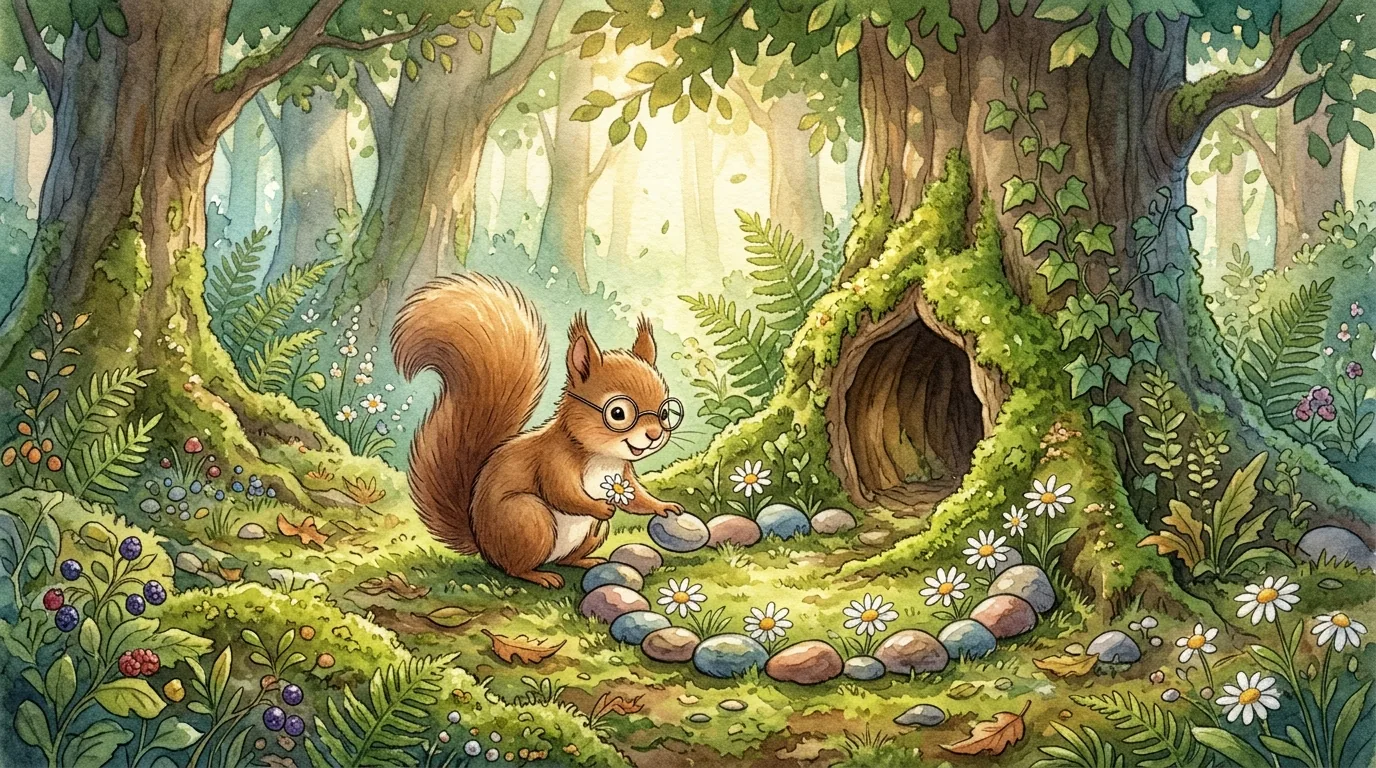
When writing The All-Seeing Glasses, I built the journey of our young protagonist, Zeki the Squirrel, around this fundamental concept. The adventures within the Forest of Boundaries reflect the daily social challenges children experience at home, at school, and in the playground.
1. Saying 'No' is an Act of Self-Respect
Society often equates a 'well-behaved child' with one who is compliant, agreeable, and never objects. Yet children who never learn to voice a healthy 'no' often grow into adults prone to burnout, relationship manipulation, and poor self-worth. Granting your child the autonomy to set boundaries regarding their toys, personal space, and feelings equips them with emotional armor for life.
2. Bodily Autonomy and Personal Space
Even when expressing love, we must honor a child's bodily boundaries. Forcing hugs or demanding kisses from visiting relatives undermines their sense of somatic authority. Children must understand that a high-five or a warm wave is equally polite, and that their body belongs entirely to them.
3. Consistent, Compassionate Limits
Setting limits does not require raising one's voice; it demands calm firmness and unwavering empathy. Stating: 'I understand you are frustrated, but I will not allow you to hit your sibling' validates the emotion while redirecting the action. Compassion and structure are not opposites; they are partners in healthy development.
4. Cultivating Boundaries Through Narrative Metaphor
Direct preaching often encounters resistance. When children observe an engaging story character navigate similar dilemmas, their psychological defensiveness drops. In The All-Seeing Glasses, Zeki's dialogue with forest companions provides a mirror through which young readers recognize their own emotional worlds.