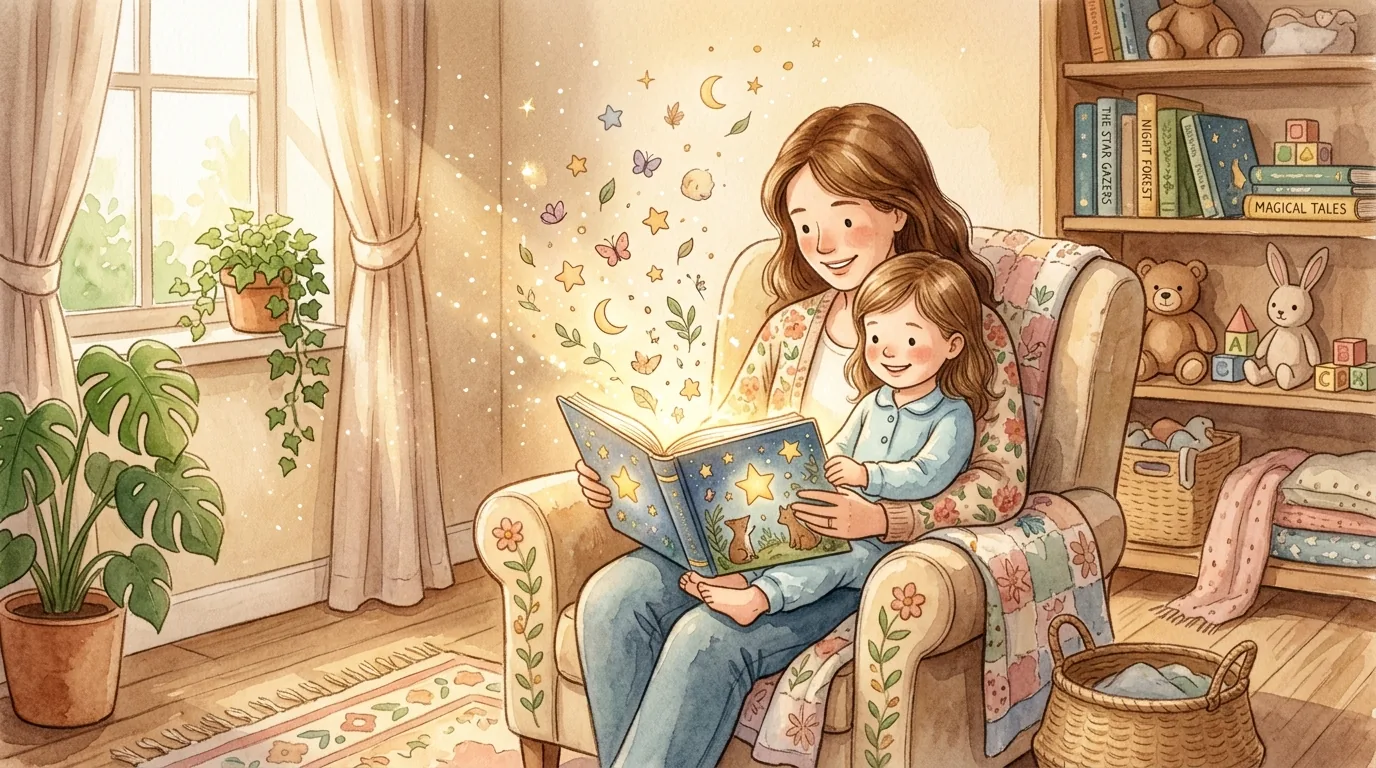
A lifelong love of reading is rarely ignited by mandatory school reading lists; it is born in the warmth of a parent's lap, through the comforting rhythm of voice and the sensory delight of turning pages. Cognitive studies affirm that children who are read to regularly between ages 0-6 demonstrate advanced vocabulary, emotional resilience, and academic curiosity.
1. Ensure Tangible Accessibility: Forward-Facing Shelves
Traditional bookcases display only book spines, yet for an early reader, the cover art is the grand invitation. Displaying books at child eye-level with covers facing forward invites independent exploration and ownership of their reading choices.
2. Dialogic Reading: Conversing with the Page
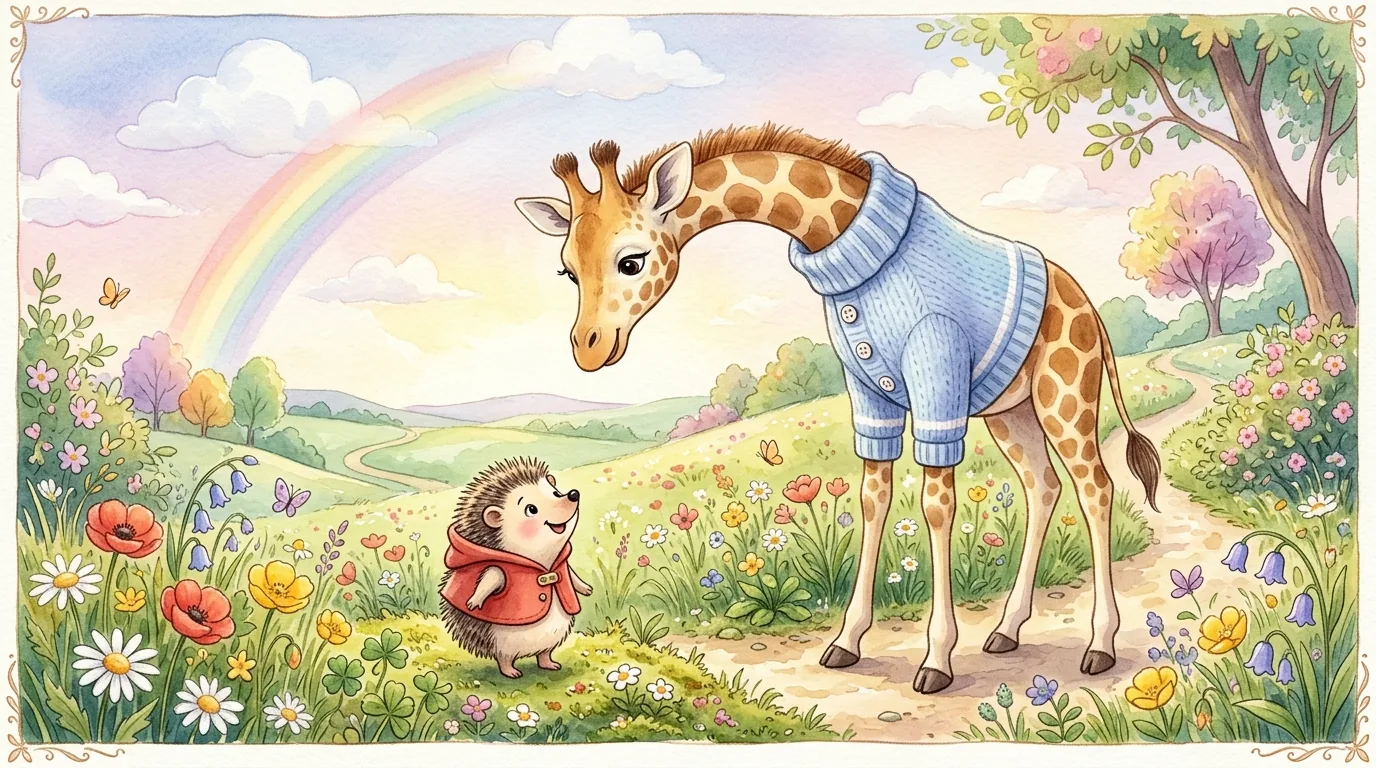
Rather than treating the book as a monologue, engage in dynamic dialogue: 'What do you think Zeki will discover next?', 'Why does Hedgehog look hesitant here?' This practice elevates the child from a passive listener to an active co-creator of meaning.
3. Expressive Voice and Emotional Inflection
Modulating tone and bringing character temperaments alive transforms evening reading into an enchanting theater. When you witness a child's eyes light up with anticipation, you realize books are gateways to wonder.