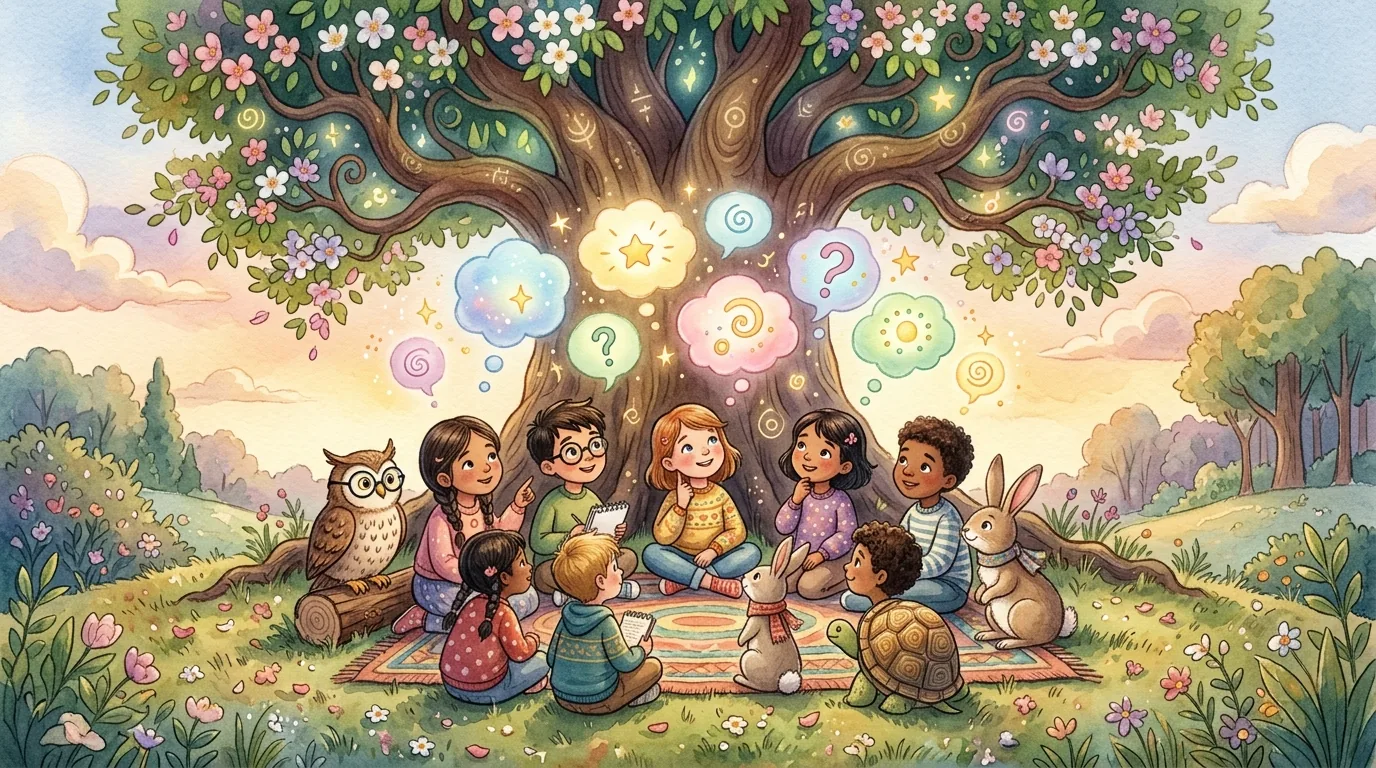
Philosophy for Children (P4C) is not about reciting academic philosophical doctrines; it is about honoring children's innate wonder, guiding them to formulate inquiries, provide evidence, and explore differing viewpoints with grace. A thoughtful storybook serves as an extraordinary philosophical stimulus.
1. Transcending the 'One Right Answer' Paradigm
Conventional curricula often prioritize binary right-or-wrong solutions. Philosophical inquiry, however, emphasizes the quality of reasoning behind a belief. Pondering: 'Is it ever ethical to withhold a difficult truth to protect a friend's feelings?' teaches children to navigate complex ethical gray zones.
2. Crafting Questions from Story Dilemmas
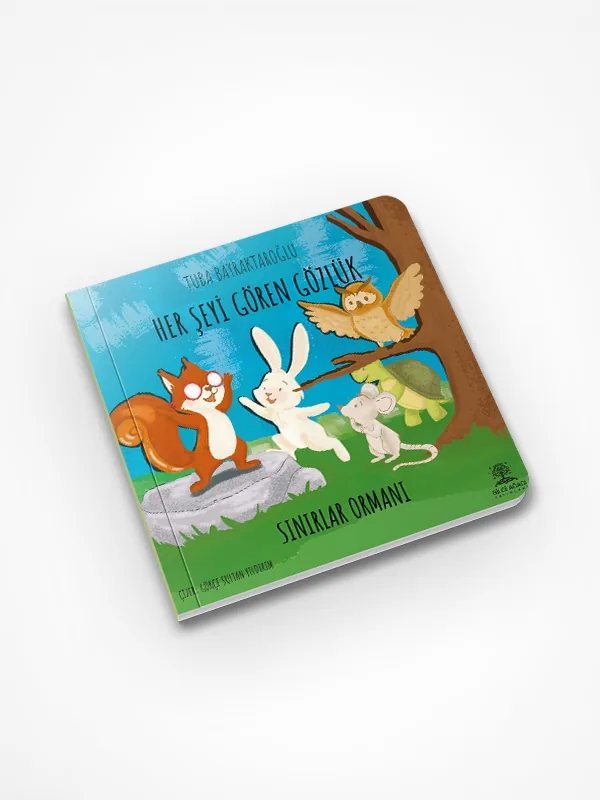
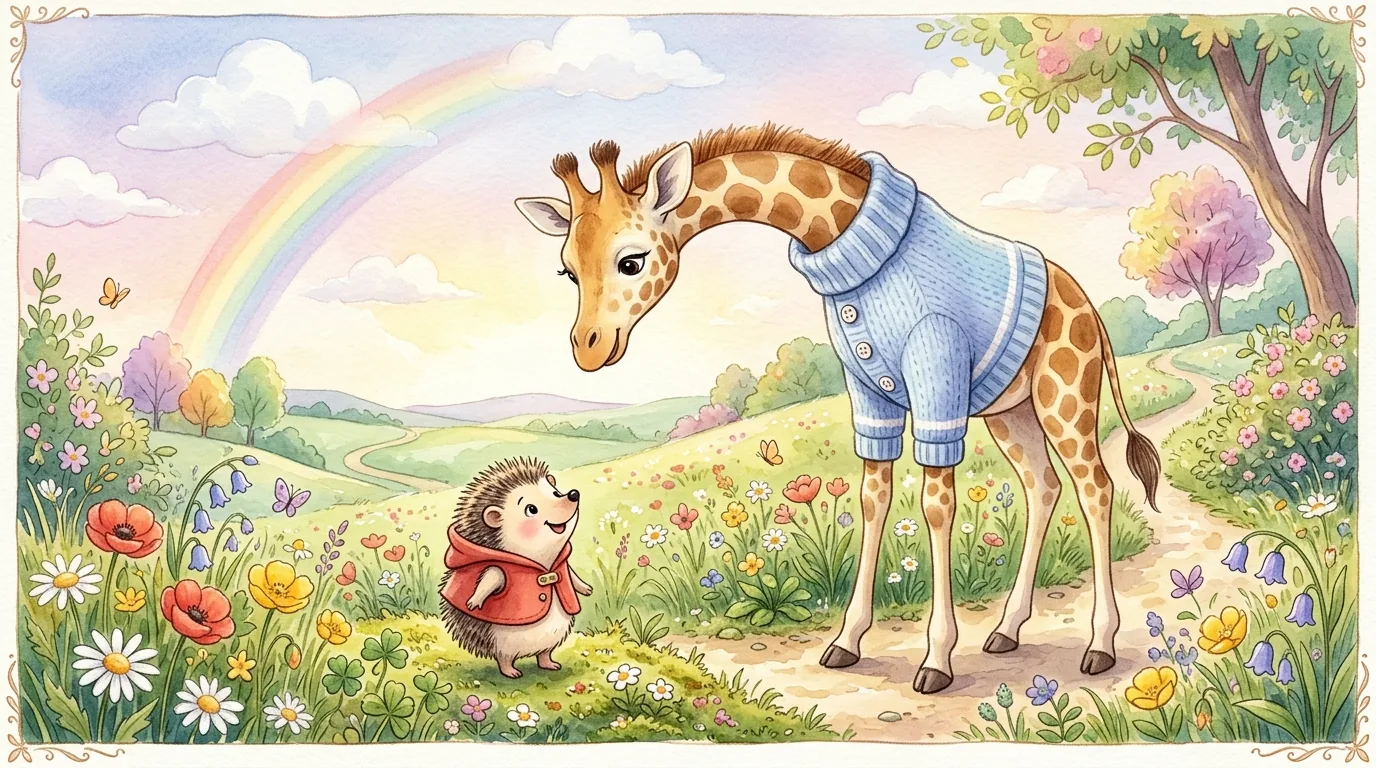
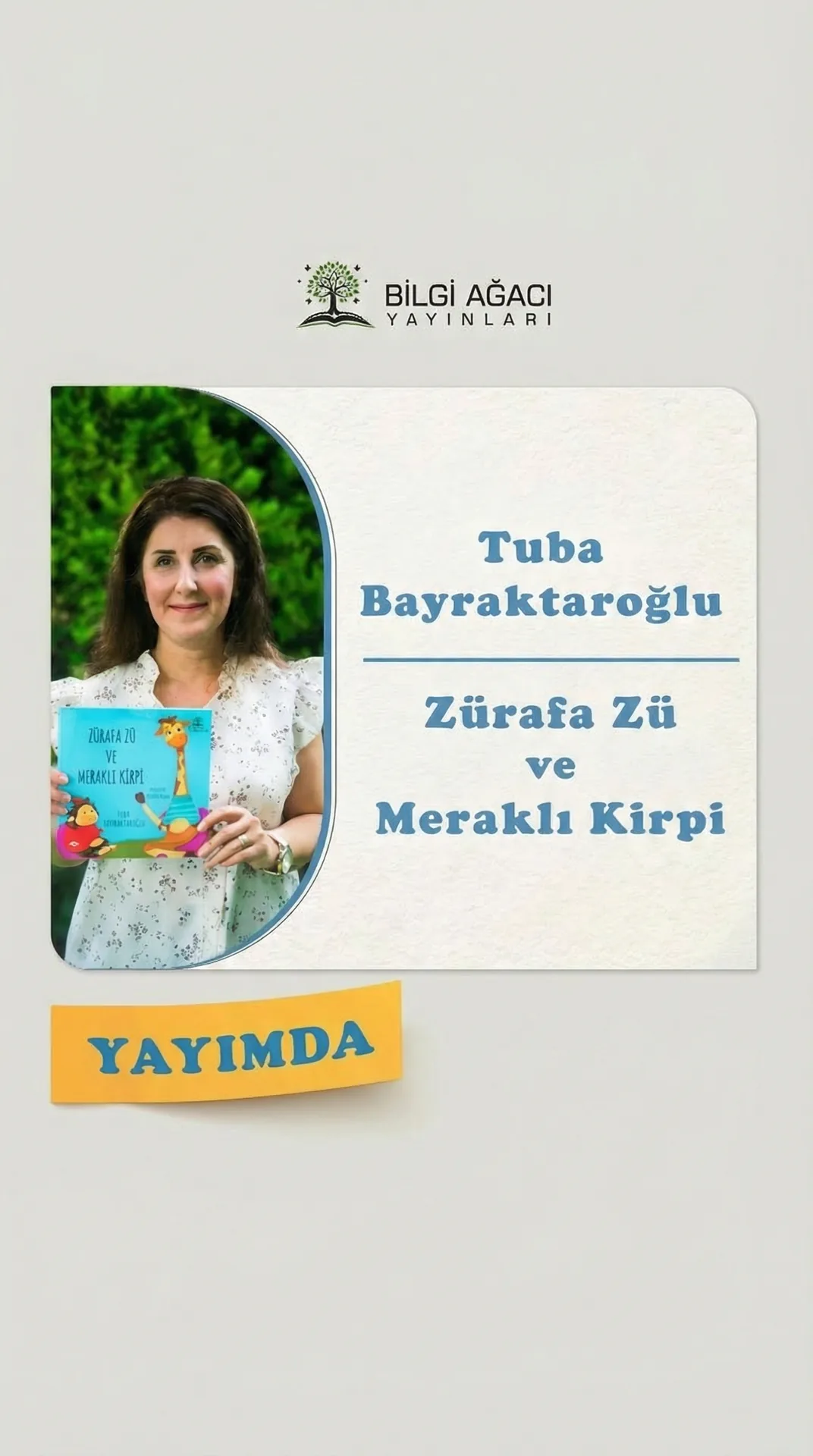
The moral quandaries within The All-Seeing Glasses and Giraffe Zü spark rich classroom Community of Inquiry circles: 'Is it harder to stand out or to pretend to fit in?' Such inquiries build mental agility.
3. The Art of Attentive, Respectful Listening
During P4C dialogues, children discover the beauty of active listening, framing contributions with: 'I agree with your perspective because...' or 'I respectfully hold a different view due to...' establishing foundational democratic dialogue skills.